Offshore Stone Column Construction: 180kW Vibroflot

Bottom feed Vibroflot
January 28, 2026
Category Connection: Bottom Feed Vibroflot
Brief: In this walkthrough, we highlight key design ideas and how they translate to performance. Discover how the 1800 Rpm Vibroflotation Technique is applied for offshore stone column construction. See the 180kW bottom feed vibroflot equipment in action, solving underwater construction challenges and delivering efficient, high-quality results in major international projects.
Related Product Features:
  • The vibroflot operates with a power of 180kW and a rotation speed range of 1200-1800 rpm.
  • It features a bottom feed design that effectively handles underwater stone column construction.
  • The equipment includes a 1.2 m³ hopper and DN250 pipe diameter for efficient material delivery.
  • Inverter control and circulating water cooling ensure stable and reliable operation.
  • It generates a vibration force of 200-300 kN, suitable for creating piles 900-1200 mm in diameter.
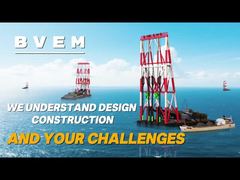
  • The barge-type setup eliminates the need for complex cofferdams or specialized underwater platforms.
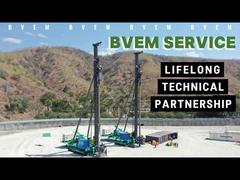
  • It has been successfully used in projects like the HongKong-Zhuhai-Macao Bridge and Timor Leste's Tibar Bay.
  • An automatic pile positioning system (RTK) can be integrated for precise underwater construction.
FAQs:
  • What are the main advantages of using the bottom feed vibroflot for offshore construction?
    The bottom feed vibroflot solves key underwater challenges by eliminating the need for cofferdams or specialized platforms, reducing supporting equipment complexity, and ensuring efficient stone delivery, leading to lower costs and higher quality results.
  • What is the working depth and pile diameter capability of this vibroflot equipment?
    This equipment can operate from depths of -15m underwater, with a maximum working depth of 26m, and creates stone columns with diameters ranging from 900mm to 1200mm.
  • Can you provide examples of projects where this vibroflotation technique has been applied?
    Yes, it has been used in major projects such as the HongKong-Zhuhai-Macao Bridge artificial island, where over 46,000 piles were formed, and the Tibar Bay New Container Port in Timor Leste, with more than 14,000 piles constructed.